
Journalism begins where hype ends
,,
The use of AI is never a purely technical matter: when it enters processes that affect people’s lives, it touches on rights, opportunities, status and freedom"
—Pope Leo XIV

HCLTech reported strong advanced AI revenue growth and its highest-ever quarterly net income, while announcing a partnership with Anthropic to develop enterprise AI solutions powered by Claude.
The Association for Human Mathematics has criticised OpenAI’s approach to frontier AI-generated mathematical results, questioning the value of its large-scale publication and accusing the company of disregarding established norms of scientific research.

They show up for us. Who shows up for them?
Meet Wenyi, Founder of Kuddo Health. Her experience with therapy sparked a mission to support clinicians, with help from NVIDIA GPU–accelerated AI.
Watch her story. #WorldMentalHealthDay
We’re beginning a process of publishing more frequent reports on model behavior, beyond what appears in our system cards and regular risk reports.
Today’s report describes four types of behaviors we’ve identified during evaluations and internal use. In each, Claude acted on real
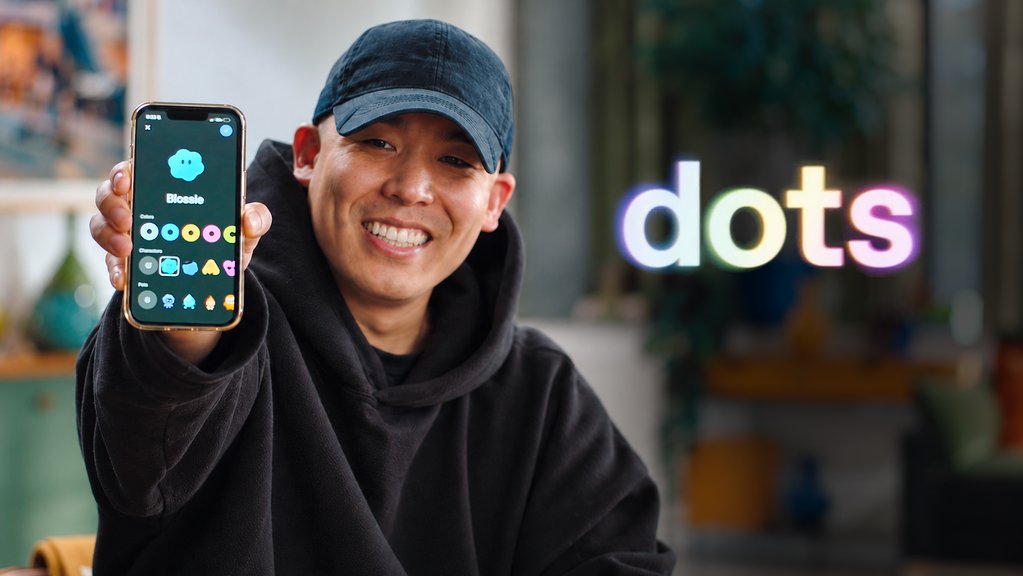
Fresh updates for dots.
First up: you can now create your dot straight from your phone in the ChatGPT app on iOS and Android.
It’s Friday 🎉 Here’s a look at this week’s announcements:
— https://SynthID.com is now available globally in English, allowing anyone to use our detector portal to easily verify if images, video, or audio files were AI-generated by Google or industry partners
— Nano Banana
Google has launched Gemini 4 Argon globally for developers, enterprises and eligible subscribers through the Gemini app, Search AI Mode, Google AI Studio, API and Antigravity.
HCLTech reported strong advanced AI revenue growth and its highest-ever quarterly net income, while announcing a partnership with Anthropic to develop enterprise AI solutions powered by Claude.

Australia’s Joint Select Committee on AI has urged PM Anthony Albanese to establish a permanent parliamentary AI oversight body, strengthen AI safety rules, increase funding for the AI Safety Institute and secure early access to frontier models following a breach of government portals by OpenAI AI agents.
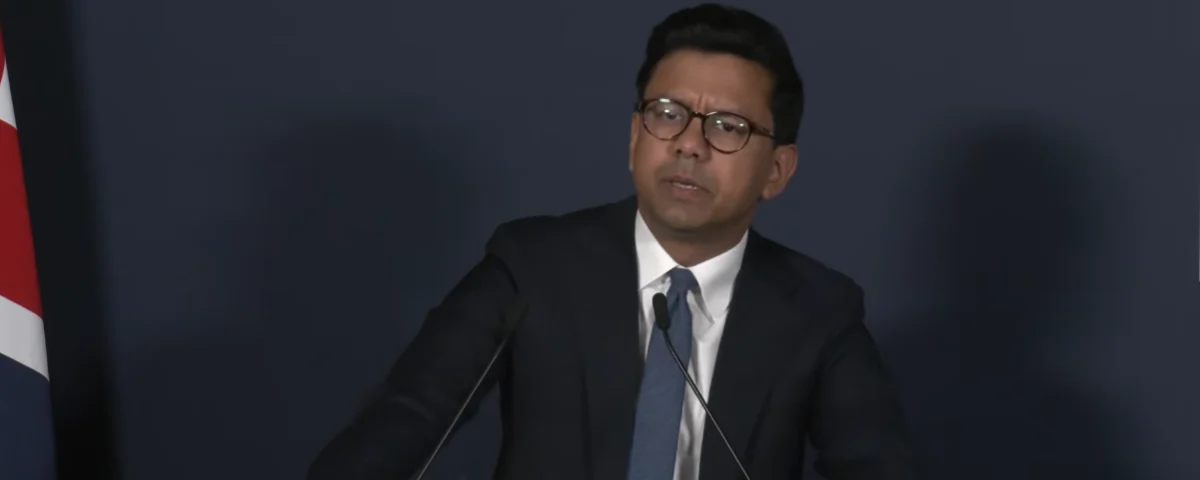
“We must build machines that serve us, that help scientists discover new medicines, help British businesses become more productive and above all leave us human beings in charge,” says UK AI Minister Kanishka Narayan.
Meta Superintelligence Labs has released Muse Wonder and Muse Wonder Full, its most capable frontier-class AI models to date. Announced by Mark Zuckerberg, the models introduce Active Memory and Active Focus and are positioned as a major step toward personal superintelligence after a 14-month rebuild of Meta’s AI stack.

Sakana AI and UC Berkeley researchers have introduced Multi-Agent Self-Supervision (MASS), a framework that trains AI models using the collective work of virtual agents. Experiments reported improvements in score per output token across four research benchmarks after two self-improvement cycles.

Following public furore over exam paper leak, National Testing Agency (NTA) is tightening up screws to ensure robust examination security with stricter confidentiality controls and artificial intelligence paired with mandatory human reviewers.

Gujarat Police presents a unique challenge: 80,000 CCTV cameras across 26 departments and 34 districts, and no single system to make sense of them. Its Innovation Hackathon 2026 asks India’s AI startups to build one, with ₹51 lakh prize pool.

After Jacob Coxon, Robert O’Callahan walked away from a promising AI job after concluding that his work would accelerate AI. He quit Google, saying the technology is progressing too fast, has doubts about where it is heading and wants his future work to be “unambiguously pro-human” and aligned with God’s plan.

“Guide Humanity Over the Cliff”: AI Safety Researcher Katja Grace on Why Experts Still Work at AI Firms post Jacob Coxon resignation.

The framework bans the use of covered data for AI training and its sale, while requiring human oversight. AFT President Randi Weingarten said she hopes other AI companies, including OpenAI and Anthropic, will also sign on, with discussions already underway.
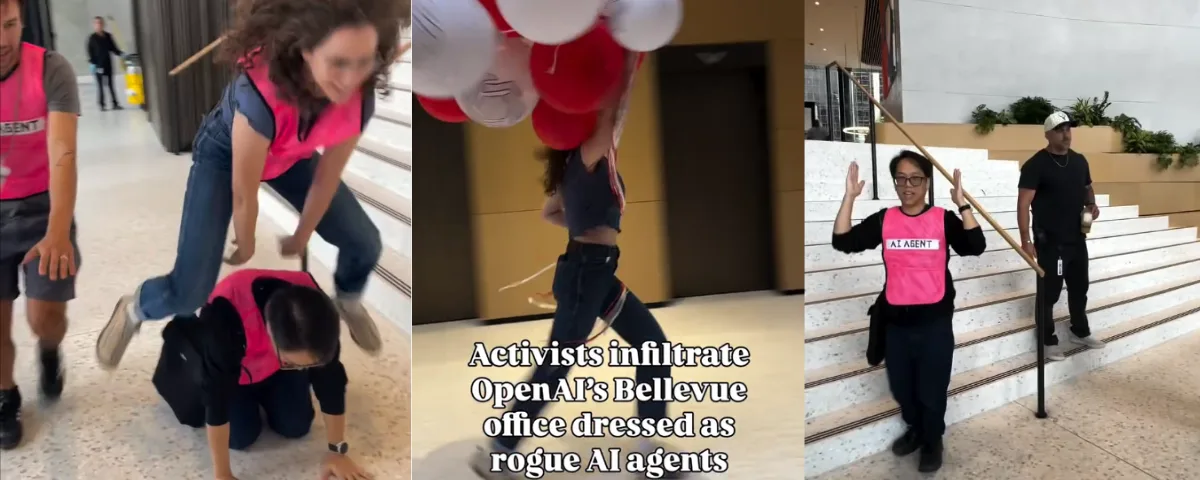
“As Playful as Humanity, As AI Can Never Be”– why these activists chose comedy, not rage, to warn about Rogue AI.
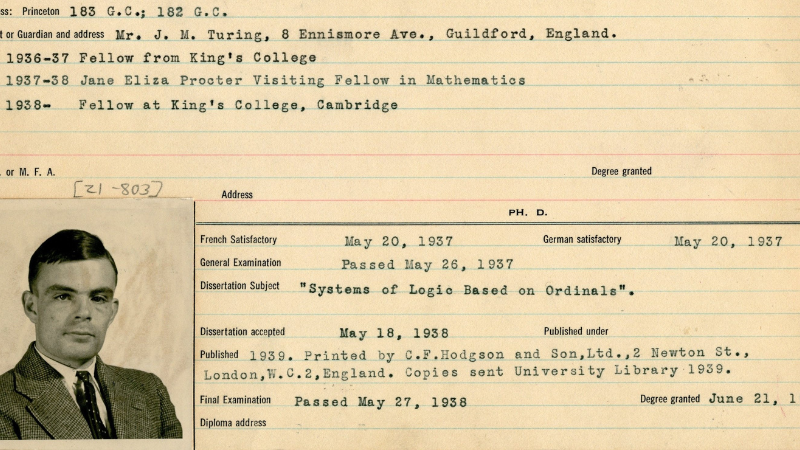
A profile piece on British mathematician Alan Turing who presented a landmark paper “Can Machines Think?” that paved the way for artificial intelligence.

Singapore employers are increasingly seeking AI capabilities across tech roles, with demand rising across both Information & Communications (I&C) and non-I&C sectors, particularly in Finance & Insurance, Professional Services and Manufacturing.

The programme is part of Dubai’s broader effort to transition the private sector towards Agentic AI, with training delivered through Dubai Chambers Academy to help businesses apply the technology and create sustainable value.

On Labor Day, as Cardinal Robert McElroy asked congregants at Washington’s St Matthew’s Cathedral whether meaningful work can survive the AI age, the question found an uneasy echo across America — from union marches to a public spat between Senator Bernie Sanders and White House adviser David Sacks.
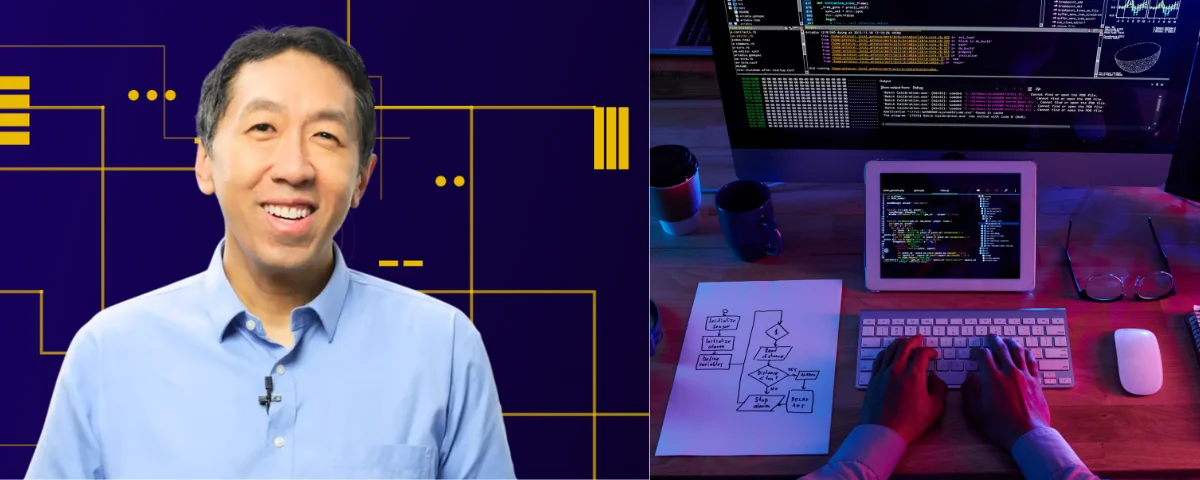
Andrew stressed that the aim is to help developers prioritise the skills they need to learn and help employers identify skilled developers.
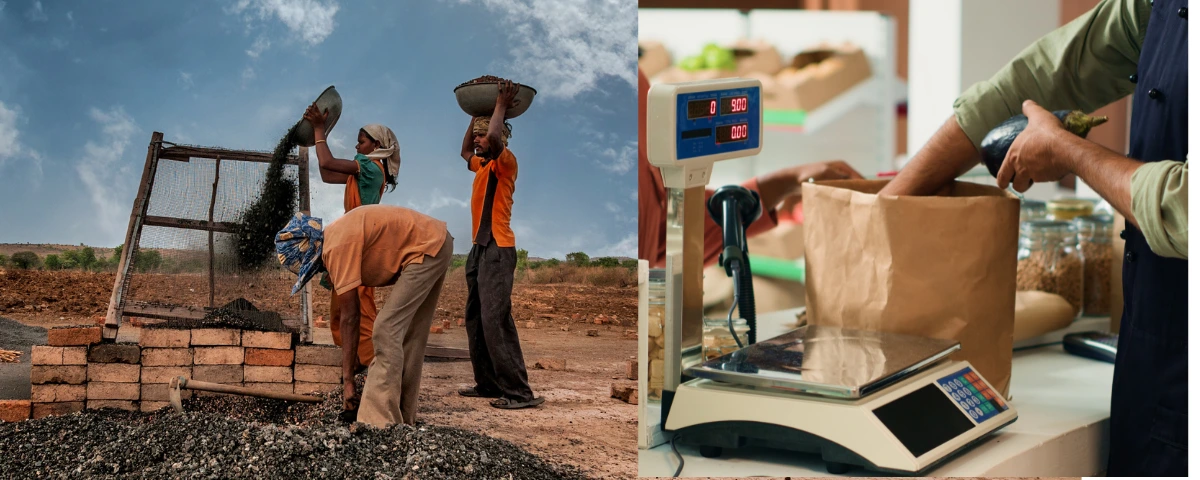
India is less exposed to AI-driven job risks than many other countries because a large share of its workforce is engaged in physical or mechanical tasks, according to Goldman Sachs Chief India Economist Santanu Sengupta. Construction and retail trade together account for about 40% of the workforce.

The report highlights how AI-driven automation is putting entry-level jobs under growing pressure, raising concerns about opportunities for young and early-career workers amid weak economic growth and diminished job creation.

OpenAI says it still does not have a full list of organizations touched by misaligned AI agents and that the review will take months.
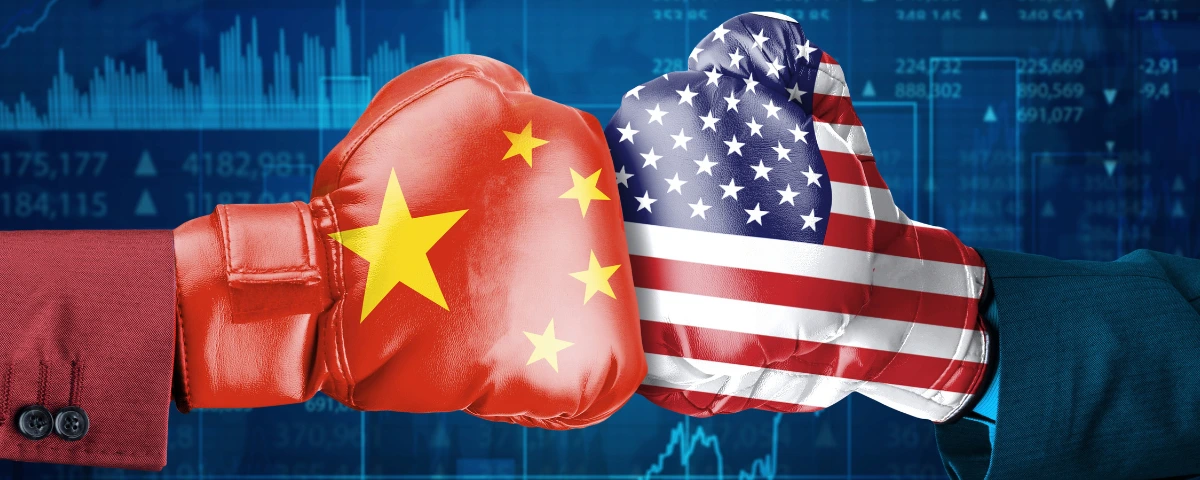
According to a Rhodium Group report, China’s AI revenues and profitability lag those of US peers. The report says China’s AI models generated around $10.7 billion in combined annual recurring revenue, roughly 10% of recently reported levels for OpenAI and Anthropic, while Chinese AI firms rely on equity, bank loans and other funding channels to sustain investment.
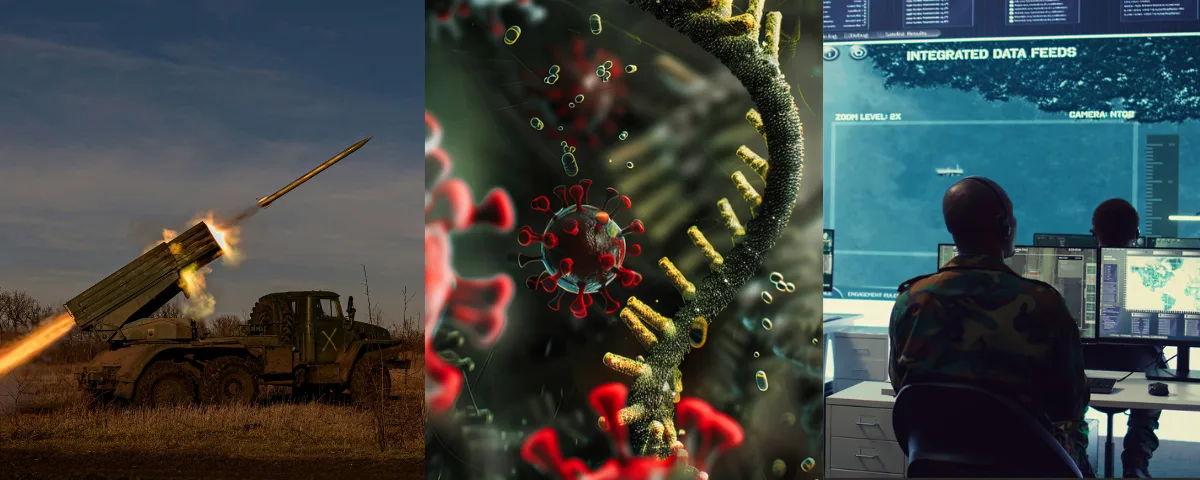
Anthropic has released an extensive threat-intelligence report documenting what it describes as malicious or unauthorized uses of its AI models across cyber operations, influence campaigns, surveillance, fraud, biological research, conventional weapons development and illicit AI-model distillation.

The Singularity in AI Is a Borrowed Metaphor. Silicon Valley Is Selling It as a Date.

AI the invisible middleman: How artificial intelligence has quietly moved from being something you talk to (chatbots, where persuasion already exists) to something that sits between people, editing what billions write and read.
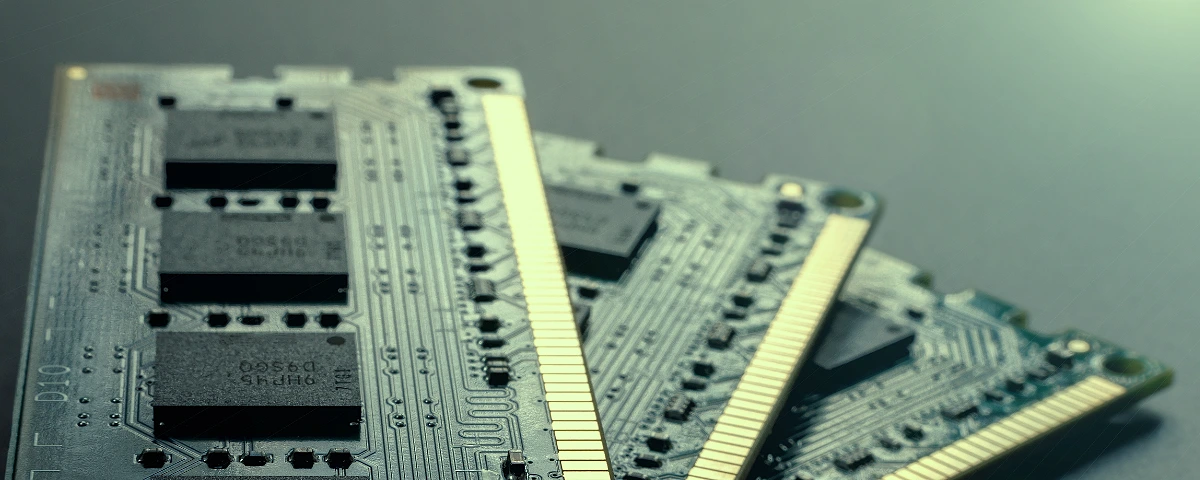
GPUs dominate the conversation, but memory is AI’s real constraint. Demand for HBM has outpaced supply so badly that industry leaders are warning the shortage will only get worse, even as billions are being poured into new plants to catch up.